An Extended Warranty on an Appliance Is a Bet: Run the Numbers First
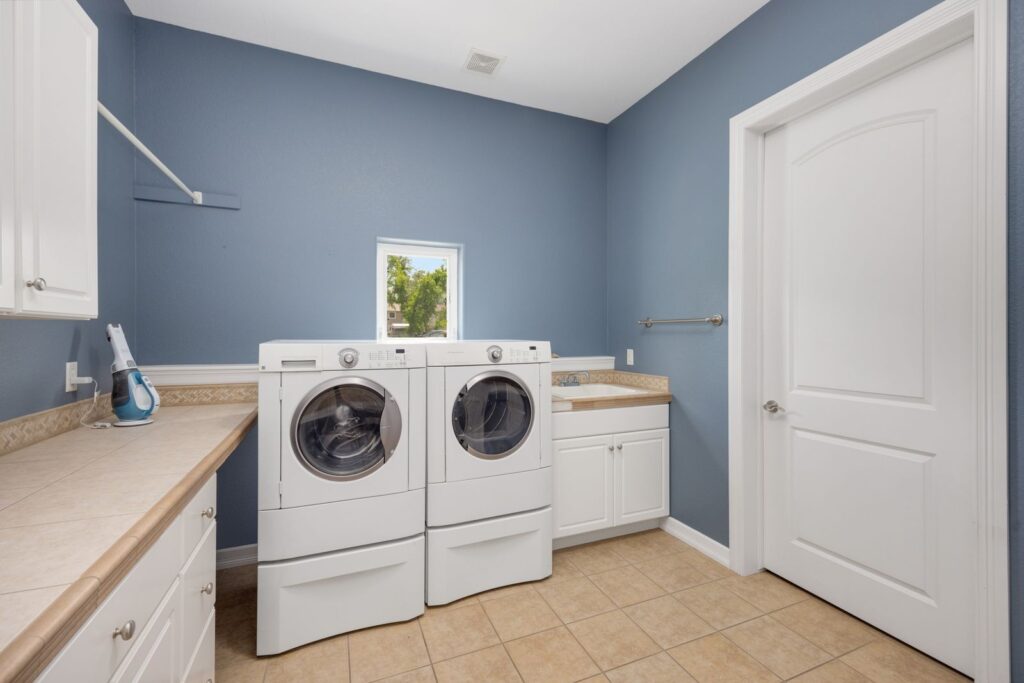
Here is the one number to compute before you say yes to the plan at the register: the plan’s price divided by what a typical repair would cost. That ratio is the chance of a breakdown you are betting on. If a $200 plan covers a $400 repair, you need about a 50 percent chance of that repair happening inside the plan to come out even. For a dishwasher you would not expect that. This guide covers appliances, furniture and mattresses, explains what a paid service contract is next to the manufacturer’s warranty, and gives you a checklist for deciding.
Key takeaways
- An extended warranty is usually a separate service contract, not a warranty under federal law, and it costs extra on top of the one that comes with the product (FTC).
- Consumer Reports, as reported by AARP, says the median plan price is roughly the same as the median single repair, and most repairs occur while the factory warranty is still running.
- The company that pays your claim may not be the manufacturer or the store, so its ability to pay matters more than the brochure.
- If an item or repair is not listed in the contract, assume it is not covered.
- A repair fund, a credit card benefit or a request for a free extra year are often cheaper than a plan.
The number-first test
Break-even is simple arithmetic. Divide the plan price by the likely repair bill. The result is the odds you must beat. Below is a worked table. These figures are illustrative examples to show the method, not market data, so swap in your own plan price and a repair quote from a local shop.
| Illustrative plan price | Illustrative repair cost | Break-even chance of needing that repair |
|---|---|---|
| $100 | $250 | 40% |
| $150 | $300 | 50% |
| $200 | $400 | 50% |
| $200 | $600 | 33% |
| $300 | $800 | 38% |
Two adjustments. First, subtract any deductible or per-visit fee, which cuts what the plan really pays you. AARP notes that the plans in its review carried deductibles and often other service fees. Second, count only the years the plan adds beyond the manufacturer’s coverage. If the plan starts on day one, you may be paying twice for the first year.
A dated reference point: a 2008 University of Georgia extension article cited a Consumer Reports survey in which fewer than 10 percent of electric ranges, dishwashers and top-freezer refrigerators needed repair in their first three years. That is old data, so treat it as a hint, not a rule.
Manufacturer warranty versus paid service contract
The Federal Trade Commission (FTC) describes the difference plainly. The warranty that comes with a product is included in the price. An extended warranty or service contract is a separate purchase that costs extra, and it may cover different problems from the manufacturer’s warranty.
Magnuson-Moss basics
The Magnuson-Moss Warranty Act is the federal warranty law. According to the FTC’s Businessperson’s Guide to Federal Warranty Law:
- A written warranty on a consumer product costing more than $10 must be labeled “full” or “limited.” A warranty that misses any of the law’s standards for a full warranty is limited.
- For products over $15, the warranty must be available to read before you buy, in the store or online.
- A service contract is an optional agreement sold separately. It does not need a full or limited label, but its terms must be stated clearly and conspicuously.
- Implied warranties come from state law. They include merchantability (the product does what it should) and fitness for a particular purpose. A seller that offers a written warranty or a service contract on the product generally cannot disclaim them.
The practical point: because the plan is a separate contract, its own fine print decides what you get.
What these plans usually leave out
The FTC tells shoppers to check what is excluded. The items to look for:
- Accidental damage. Check whether it is covered at all.
- Maintenance. Check whether the company can deny a claim for missed maintenance.
- Specific parts and repairs. If something is not listed, assume it is not covered.
- Extra costs. The FTC lists deductibles, per-service fees, shipping to a repair center, transfer fees and reimbursement caps.
- Overlap. The product’s regular warranty may cover the same repairs for the same period.
For furniture and mattresses, the same logic applies. Ask what counts as covered damage versus ordinary wear, and whether the plan pays for repair, replacement or a credit.
Who actually pays the repair bill
This is the question that gets skipped. The FTC warns that the company backing a service contract is not necessarily the manufacturer and may be one you have never heard of, so the contract is only as good as that company’s ability to pay claims. In practice you may be dealing with the retailer that sold it, an administrator that handles claims, or an insurer or other obligor behind the contract. The contract should say which. If it does not, ask in writing.
The Businessperson’s Guide adds a legal wrinkle: a seller that makes its own service contract cannot disclaim implied warranties, while a seller that merely sells another company’s contract as an agent can.
Checking the company: the FTC suggests looking at how long it has been in business, reviews and complaints, and complaints on file with your state consumer protection office. It also asks how to file a claim, who does the repair, and whether you must bring the item to the store.
How state rules differ
Service contracts are regulated mainly at the state level, and the approach varies. As examples that were verified from state agency pages:
- New York regulates service contracts under Article 79 of its Insurance Law. Providers must register with the Superintendent of Insurance, who can fine them, suspend registration or bar new contracts.
- Texas licenses home warranty companies through its Department of Licensing and Regulation (TDLR), which advises checking the license before buying and lists questions about cost, length, covered items, limits, exclusions, payment caps, service-call fees and who chooses the repair company.
Other states have their own agencies and rules, and as of November 2026 this article has not surveyed them. Your state attorney general or insurance department can tell you who oversees these contracts where you live, and the FTC recommends checking complaints with your state consumer protection office.
Cheaper alternatives
A repair fund
The FTC lists setting money aside in savings as an alternative to buying a plan. Move what you would have paid into a savings account labeled “appliance repairs.” If the appliance never breaks, the money is still yours.
Credit card benefits
AARP notes that some credit cards extend manufacturer warranties at no extra cost, and suggests calling your card issuer to check. The terms vary by card, so ask what products, time limits and claim steps apply before relying on it.
Ask for the freebie
AARP’s advice includes asking retailers whether they add protection beyond the standard manufacturer warranty, and asking manufacturers whether they will repair a product after the warranty ends. Neither is guaranteed, but both cost nothing to ask.
Home warranty comparison
If you are weighing a whole-home plan, note that Texas regulators say a home warranty is not home insurance: insurance pays for sudden covered events such as fire, while a warranty covers items that fail through ordinary wear. Compare the exclusions, caps and fees line by line, using the TDLR question list above.
Decision checklist
- Get the plan price and term in writing, and compute the yearly cost.
- Get a realistic repair estimate for this type of appliance.
- Calculate break-even: plan price divided by repair cost.
- Subtract deductibles and per-visit fees.
- Check what year the plan starts, and what the manufacturer already covers.
- Find out who pays claims: the retailer, an administrator or an insurer.
- Read the exclusions; assume anything unlisted is not covered.
- Ask whether your credit card extends the warranty.
- Compare against putting the same amount in a repair fund.
- Keep the contract, receipt and the plan’s claim instructions together.
Frequently asked questions
Is a service contract the same as an extended warranty?
People use the terms interchangeably. The FTC treats the extended warranty as a separate service contract that costs extra, and the Magnuson-Moss framework treats service contracts differently from written warranties.
Should I trust a plan offer that arrives by phone or mail years later?
Be skeptical. The FTC says marketers call or mail offers long after a purchase, often with high-pressure tactics, and that calls from unrelated companies are probably illegal. Compare plans before you pay.
Can a plan be cancelled for a refund?
It depends on the contract and state rules. The FTC page I reviewed does not cover cancellation, so look for the cancellation terms in writing before you pay.
What if the company denies my claim?
Start with the company’s complaint process, then your state consumer protection office or attorney general, and report problems to the FTC at ReportFraud.ftc.gov.
Before you decide
A plan is a prepayment against a repair that may never come. Run the numbers, read the exclusions, find out who pays, and compare the alternatives. If the math only works under a scary assumption, keep your money. If the item is costly to fix and the plan is clear and fairly priced, it can be a reasonable bet, but it is still a bet.
Sources
- Extended Warranties and Service Contracts – Federal Trade Commission (Consumer Advice)
- Warranties – Federal Trade Commission (Consumer Advice)
- Businessperson’s Guide to Federal Warranty Law – Federal Trade Commission
- Are Tech Devices’ Extended Warranties Worth the Cost? – AARP
- Just say no to extended warranties – CAES Field Report, University of Georgia College of Agricultural and Environmental Sciences (2008)
- OGC Opinion No. 03-05-09: Service Contracts and the Applicability of the McCarran-Ferguson Act – New York State Department of Financial Services
- Residential Service Companies (Home Warranties) | TDLR News and Updates – Texas Department of Licensing and Regulation
- A home warranty is not home insurance – Texas Department of Insurance
Last updated: November 2026. This article is general information, not consumer advice.