Get a Pre-Purchase Inspection Before Buying a Used Car
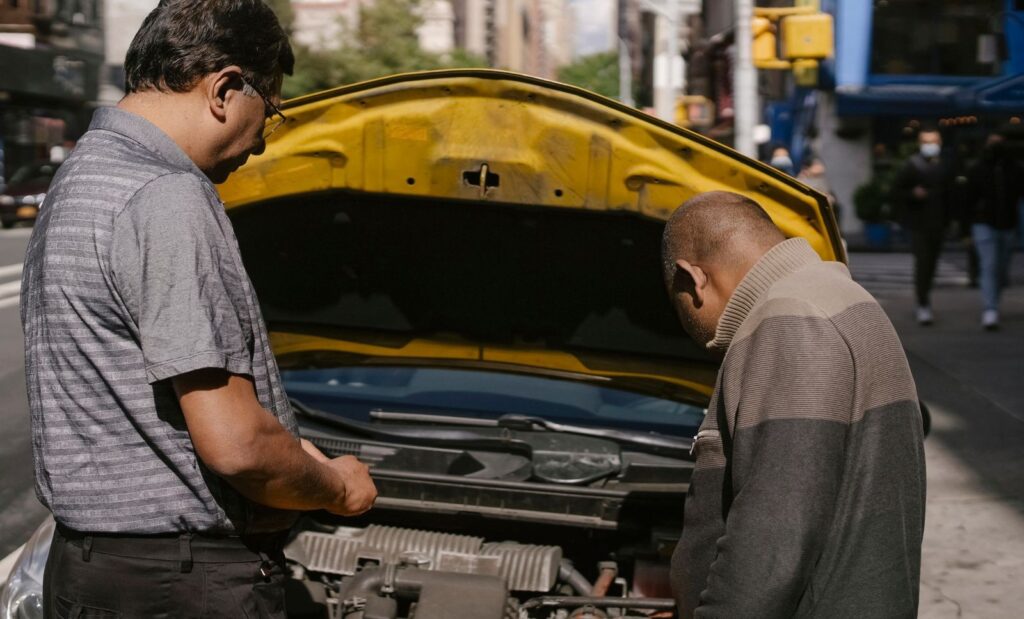
A pre-purchase inspection (PPI) is a mechanic you pay, who works for you and not the seller, going over a specific used car before you sign. RepairPal’s published average in September 2026 was roughly $186 to $273, labor only. The FTC says a mechanical inspection is worth getting even if the dealer calls the car “certified.” A vehicle history report is a records check, not a look at the car. Do both, and treat a seller who won’t allow an inspection as having answered your question.
Key takeaways
- Expect about $186 to $273 for a typical inspection (RepairPal, September 2026, labor only, varies by location).
- The FTC’s Buyers Guide on dealer used cars itself tells you to ask for an independent inspection.
- A history report shows what was reported. An inspection shows the car today.
- If the seller won’t let your mechanic look, walk.
- Get the report in writing, with repair estimates, and use it to negotiate.
What an independent inspection is, and why the seller’s isn’t it
An independent pre-purchase inspection means a mechanic or inspection service you choose, who is paid by you and has no stake in the sale, examines the vehicle and gives you a written assessment. RepairPal suggests an ASE-certified technician and says a shop with lifts and diagnostic equipment is one option; a mobile inspector is more convenient but may be less thorough.
The seller’s version differs in one way that matters: the seller is paid when you buy. That does not make a dealer’s inspection worthless. It means it is not a second opinion. The FTC says an independent mechanical inspection is a good idea even when the car is certified and the dealer has inspected it. It also separates a mechanical inspection from a safety inspection, which mostly asks whether the car is unsafe to drive.
What a mechanic actually checks
Scope varies by shop, so ask for the list before you pay. RepairPal’s description of a typical inspection covers the interior, exterior and under-hood areas, possible diagnostic scans, engine tests and an in-depth test drive. Its listed checks include tires and suspension, brakes, fuel lines and exhaust, electrical components, engine components and fluids, heating and A/C, and the body, glass and frame. Here is what to ask about.
- Frame, body and rust. Signs of structural repair, uneven panel gaps, mismatched paint, and underbody corrosion, where seller photos tend not to look.
- Leaks and fluids. Condition of engine oil, coolant, transmission and brake fluid, and any wet spots underneath.
- Tires, brakes and suspension. Remaining tread, uneven wear, brake condition and worn parts. These are the “how much money is coming next” items.
- Codes and electronics. A diagnostic scan for stored trouble codes, plus warning lights, A/C and other electrical components. A recently cleared code can hide a problem, so treat a clean scan as one data point.
- Road test. Noises, pulling, vibration, shifting and braking in real conditions.
- Accident and flood signs. The Texas DMV lists signs of water damage: mud or grit in the interior or engine area, recently shampooed carpet, rust under carpeting or on console screws, dried mud under the dashboard, a musty smell, and corroded wiring. It warns that your own checks won’t catch every case and suggests a licensed mechanic if you suspect water damage.
If it is an electric vehicle
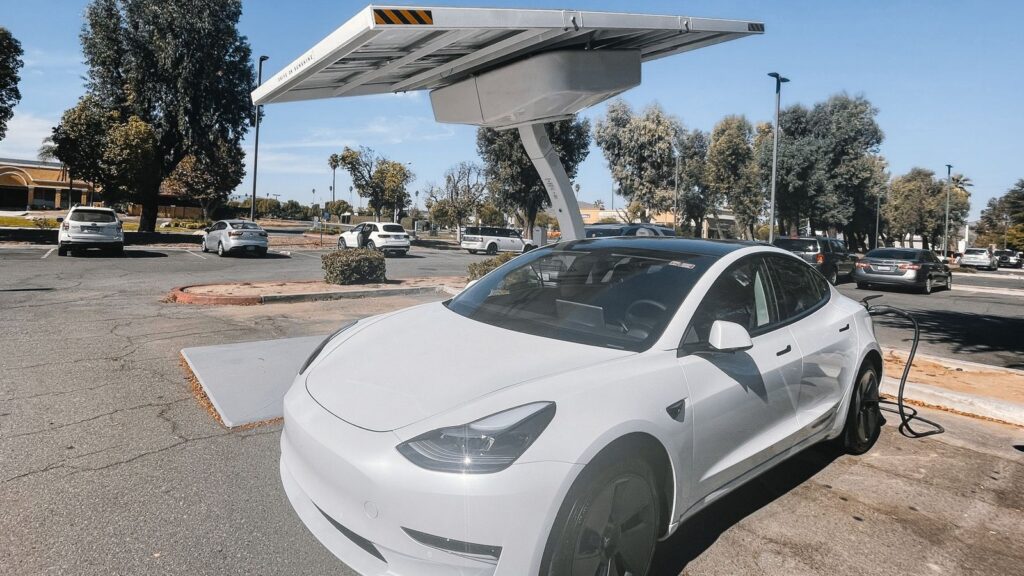
Tires, brakes, suspension and body still apply. The added question is the battery. Scripps News, citing Consumer Reports, calls battery health the biggest thing to check on a used EV and says a replacement could cost more than the car is worth. Ask an EV-capable shop whether they can read battery health data and give you a written result, and ask the seller what battery warranty remains. Methods vary by maker and no single pass mark could be verified, so lean on the written report and the warranty terms.
How to book one and what it costs
RepairPal’s general figure, last updated September 3, 2026, is $186 to $273 and covers labor only. Taxes and fees are excluded, the figure is not adjusted for where you live, and repairs the inspector uncovers are extra. Its page for a BMW i3s shows $220 to $322, so expect more for some luxury or electric models. For a local number, ask a few shops for quotes; prices vary.
- Pick the shop yourself. Choose one with no tie to the seller, and ask what the list covers and whether you get a written report.
- Ask the seller for a time. If the dealer won’t let the car leave the lot, the FTC says to look for a mobile inspection service that will come to the dealer, or ask the dealer to bring the car to a facility you choose.
- Check the basics first. RepairPal advises running a history report, reviewing service records and the title, and test-driving before paying for an inspection. Don’t spend $200 on a car that fails the free checks.
- Get the written report. The FTC says it should include the make, model, VIN and a repair cost estimate.
What to do if the seller refuses
Treat it as information. RepairPal calls a seller refusing an inspection a major warning sign, and the FTC says that if a dealer won’t allow an independent inspection, consider going to another dealer. A private seller who says no deserves the same response. Before you walk, offer a mobile inspector or a shop near them. If they still refuse, there are plenty of other cars. “Someone else is coming at five” is the oldest sales tool there is.
Using the report in negotiation
RepairPal says an inspection typically ends one of three ways: the car is sound, it has minor fixable issues that can support a lower price, or it has major problems that call for repairs, a much lower price or walking away. The FTC adds that you can use the estimated repair costs to negotiate the price.
- Sort findings into safety issues, near-term wear items (tires, brakes) and cosmetic issues. Only the first two deserve real money off.
- Ask for the price reduced by the estimate, or for the seller to do the repairs and show invoices.
- Put any promise to fix something in writing. On a dealer sale, the FTC says negotiated warranty changes must appear on the Buyers Guide.
- If the findings are serious, walking away is a legitimate result.
Vehicle history report versus inspection
| Question | Vehicle history report | Independent inspection |
|---|---|---|
| What it is | A records check on the VIN | A hands-on examination of this car |
| Shows reported accidents, title brands | Yes, if reported | May spot repair evidence |
| Unreported accidents or DIY repairs | No (AAA) | Often visible |
| Hidden flood or structural damage | Not always reported | A mechanic may find signs |
| Current mechanical condition | Not reflected | Core purpose |
| Typical timing | Before you shop seriously | After a test drive, before you sign |
The FTC recommends a vehicle history report before you buy and says it is not a substitute for an independent inspection. It points to vehiclehistory.gov or commercial providers it does not endorse, and says the VIN on the front of the Buyers Guide is what you need. AAA lists what reports can miss: unreported accidents, out-of-pocket repairs, DIY or small-shop work, hidden flood, hail or structural damage, records not yet posted, and the car’s condition today. The FTC also points to the National Insurance Crime Bureau’s VIN check for flood damage or salvage declarations.
The FTC Used Car Rule and the Buyers Guide, briefly
- Who is covered. The FTC says the rule applies to dealers who sell or offer more than five used vehicles in a 12-month period. A person selling their own car is generally outside it. Maine and Wisconsin are exempt; they have similar state rules.
- The sticker. The Buyers Guide must be posted conspicuously before the car is displayed for sale. A copy in the glove box doesn’t count. You are also entitled to one when buying online.
- Two versions. “As Is – No Dealer Warranty” or “Implied Warranties Only.” If the dealer offers a written warranty, that section is completed.
- “As is” means your risk. The dealer pays nothing for problems after the sale. Implied warranties are unwritten promises that apply unless the sale is as-is, and in some states can last up to four years.
- It says to inspect. The Guide tells you to ask for an independent mechanic’s inspection and to get a history report.
- Get promises in writing. Spoken promises are hard to enforce. Federal law gives no three-day return right on used cars; some states do and some dealers volunteer one, so get any return policy in writing.
If a dealer doesn’t display the Guide, you can report it to the FTC or your state attorney general. As of November 2026 these rules stand, but recheck the FTC pages before relying on a detail.
Pre-purchase inspection checklist
- Run the VIN through a history report and the NICB flood and salvage check.
- Read the Buyers Guide: as-is or warranty, with any promises added.
- Test drive, and ask for service records.
- Choose an independent shop with no tie to the seller; ask what is covered and the price in advance.
- For an EV, ask for a written battery health result and the remaining battery warranty.
- Get a written report with make, model, VIN and repair estimates.
- Negotiate with the estimates, or walk away. Get every promise on paper.
Frequently asked questions
Is a certified pre-owned car exempt from needing an inspection?
No. The FTC says a mechanical inspection is a good idea even if the car is certified and the dealer has inspected it. Certified programs differ by maker and dealer, so read what is actually covered.
Can I get a pre-purchase inspection on a private-party car?
Yes, and the FTC suggests asking. Private sellers are generally outside the Used Car Rule, so no Buyers Guide, which makes your own inspection more important.
Does “as is” mean I can’t ask for an inspection?
No. “As is” describes who pays for problems after the sale. The Buyers Guide itself tells you to ask for an independent inspection before buying.
Does an inspection guarantee the car won’t break?
No. It lowers the odds of a bad surprise; a used car can still develop faults later.
Before you decide
The math is simple: a couple of hundred dollars against a possible multi-thousand-dollar problem. Run the history report, test drive, then book the inspection with a shop you picked. Rules on warranties, titles and returns vary by state, so check your state attorney general’s consumer pages.
Sources
- Buying a Used Car From a Dealer (Federal Trade Commission, Consumer Advice, April 2024)
- Dealer’s Guide to the Used Car Rule (Federal Trade Commission)
- Used Cars (Federal Trade Commission, Consumer Advice)
- Pre-Purchase Car Inspection Cost Estimate (RepairPal, estimates updated September 3, 2026)
- BMW i3s Pre-Purchase Car Inspection Cost Estimate (RepairPal, estimates updated September 3, 2026)
- Vehicle History Reports: What They Don’t Tell You (AAA Connect, AAA Auto Club Group, July 10, 2026)
- Water-Damaged Vehicles (Texas Department of Motor Vehicles)
- Buying a used electric vehicle? Don’t skip this crucial battery check (Scripps News)
Last updated: November 2026. This article is general information, not consumer, legal or financial advice.