An Equipment Invoice Does Not Prove the Seller Has the Machine
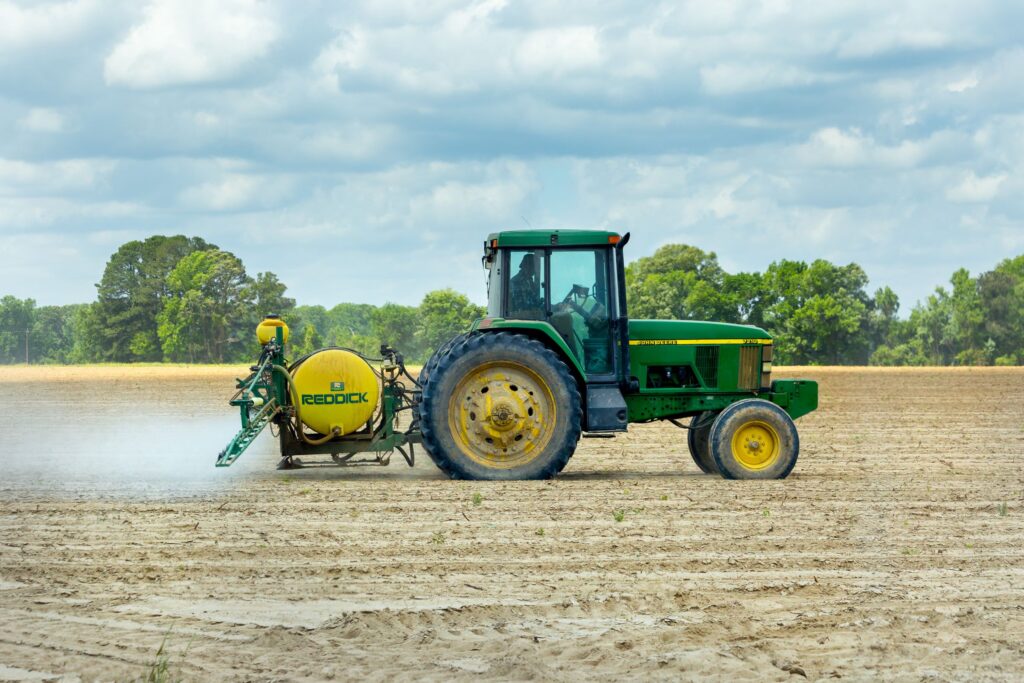
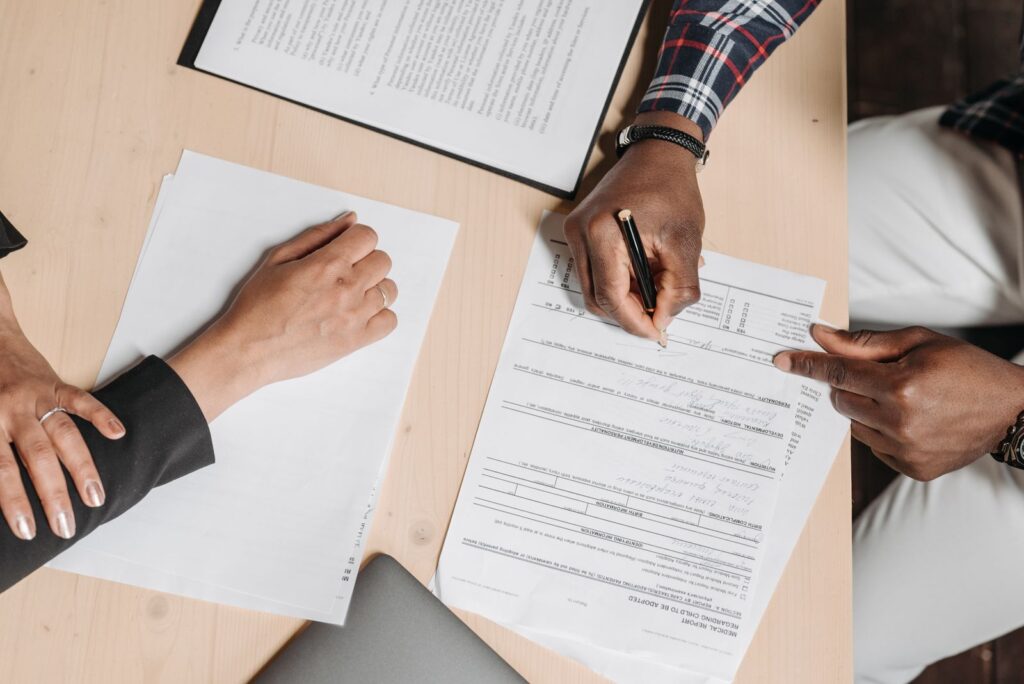
A purchase agreement is a PDF, and a PDF is not a tractor. On 15 September 2026 the Federal Trade Commission (FTC) warned that scammers are posing as farm equipment businesses, sending a purchase agreement and invoice, collecting a deposit or the full price by wire transfer, and then never delivering. The ask is typically “thousands of dollars,” in the FTC’s words. The scam is not new: a Georgia state agency warned about it in July 2026, and the Better Business Bureau (BBB) tracked a near-identical case in July 2025. As of 8 November 2026 we found no newer FTC alert on this topic. The rule: a document proves only what the sender typed, so verify the seller through contact details you found yourself and see the machine.
Key takeaways
- The FTC describes a pattern: an ad or search result, a purchase agreement and invoice, a wire for a deposit or full payment, a delivery date, then silence or an excuse.
- Scammers may borrow the name of a business you have bought from. A familiar name is not proof that its staff sent the invoice.
- The top search result may be a paid ad carrying a scammer’s phone number. Scroll to the unpaid results.
- Avoid sellers who insist on wire transfer, gift card, cryptocurrency or a payment app. The FTC says these are hard to recover.
- Paid already? Contact the payment provider immediately, then report at ReportFraud.ftc.gov and ic3.gov.
The numbers, with caveats
Most of these figures cover scams broader than farm equipment, and some are older. The date column matters.
| Figure | What it measures | Source and date |
|---|---|---|
| More than $223,000 | Reported losses nationwide, as of the BBB’s July 2025 alert about one impersonated Missouri equipment dealer | BBB, 24 July 2025 |
| $28,000 to $45,000 | Range of the seven individual losses that alert listed (skid steer loaders, excavators and trailers) | BBB, 24 July 2025 |
| “Thousands of dollars” | Typical wire requested as deposit or full payment in the farm equipment scam | FTC, 15 September 2026 |
| 213 | Reports to BBB Scam Tracker about vehicle and equipment impostor sites, 2022 to 2024, plus 140 complaints from other sources | BBB, 18 February 2025 |
| About $16 billion | All fraud losses reported to the FTC in 2025, roughly 25% above 2024 | FTC, 15 June 2026 |
The FTC’s farm alert gives no victim count or national loss total, and neither does the Georgia warning.
How the scam runs, and why the invoice proves nothing
The FTC says the contact can begin with a social media ad for a tractor at an attractive price, or with a search result for a business the victim may already know. Then comes paperwork: a purchase agreement, an invoice, a request for a deposit or full payment by wire, and a delivery date. When the date arrives, the delivery does not. The seller goes quiet or blames something, such as a problem with the delivery truck.
The paperwork is the persuasive part, and it costs the scammer almost nothing. Three other warnings fill in the picture:
- Georgia, July 2026. The state Department of Agriculture’s Law Enforcement Division warned that criminals build convincing sites and ads posing as real dealers, then contact buyers by phone or text. It said they may use AI, and that the real dealerships are not necessarily involved.
- Missouri, July 2025. The BBB reported that scammers impersonated a small equipment business that has operated since 2010. The real business has no website and sells nothing online, yet three fake sites existed, the latest registered on 14 July 2025, promoted through Facebook Marketplace and other social ads.
- BBB study, February 2025. Fake sites were often cloned from real dealers with the contact details swapped. Sellers insisted the item had to be shipped, so nobody could inspect it, and sometimes told buyers to pay a third party the seller recommended.
A convincing website, a tidy invoice and a real company’s name can all be borrowed. The real company’s phone line, a real machine in a real yard and a payment method with dispute rights cannot.
Verify the seller and the machine
- Call the dealer on a number you found independently. Georgia’s agriculture commissioner says the safest approach is visiting the dealership personally; the warning also advises finding the official number yourself before paying.
- Look past the top search results. The FTC says paid ads at the top may carry scammers’ contact details. Scroll down to the unpaid results to confirm the real website or phone number.
- Search the company name with “scam” or “complaint.” The FTC notes that social media companies do not always vet ads, so a polished ad is not a credential. The BBB suggests checking BBB.org too.
- Compare against what you already hold. If you have bought from this business before, check the website, phone number and payment details against old receipts, not the new email.
- Ask for the machine’s identifying numbers, then confirm them with the real dealer by phone. The FBI’s guidance on online vehicle and outdoor-equipment sales is to verify that the seller has the item and to ask for identifiers such as the VIN. Matching the number with the dealer is our own extra step, since a scammer can copy one from a genuine listing.
- See the machine. Georgia recommends inspecting the equipment in person and completing the purchase at the dealership. If a seller says the machine must be shipped unseen, the BBB lists that as a red flag.
Checklist before any deposit leaves your account:
- I called the dealer on a number I found myself, not one from the ad or invoice.
- A person at the real business confirmed this unit, this price and this salesperson.
- The machine’s serial or VIN matches what the real dealer has on file.
- The price is not far below market value.
- I, or someone independent, saw the machine.
- The invoice payee matches the business I verified, and nobody is pushing one payment method.
Paying for expensive equipment
Equipment deposits are large, which makes the payment method your biggest lever. The FTC’s July 2026 alert says people’s largest reported losses in the previous year, more than $4 billion in total, came from scams paid by bank transfer or cryptocurrency. It also says to pay by credit card when possible, since cards offer more protection and let you dispute charges. Card limits vary, so ask your issuer.
| Situation | What the guidance says |
|---|---|
| Seller insists on wire, gift card, crypto or payment app only | FTC: avoid, because these methods are hard to recover |
| You must wire money | Wisconsin’s transportation department advises independently verifying the bank’s contact information first |
| Large online payment | Georgia advises talking to your financial institution before sending it |
| Georgia’s suggested method | A cashier’s check or another secure method. In our view, a check payable to a fraudster is just as gone, so verify first. |
| You already wired | FTC: report to the wire company or your bank right away, say you were tricked, and ask for a refund. It does not promise one |
If you already paid, and where to report
- Call the company that moved the money. The FTC’s June 2026 guide gives steps for wires, bank transfers, payment apps, cards, gift cards and crypto; the common thread is “right away.”
- Gather the ad, texts, emails, invoice, agreement, wire instructions and receipts.
- Report at ReportFraud.ftc.gov, and at ic3.gov. The FBI says to include the scammer’s or company’s name, how they contacted you, dates, payment methods, where the money went and a thorough description. IC3 receives nearly 3,000 complaints a day.
- Also report to the platform where you saw the ad, local law enforcement and your state attorney general. The BBB’s alert lists BBB Scam Tracker, the attorney general, the FTC, IC3 and the platform. In Georgia, suspected agricultural fraud goes to the Department of Agriculture’s Law Enforcement Division.
- If you gave out a Social Security number, use IdentityTheft.gov; if a login, change that password everywhere.
If your business’s name is the one being copied, the BBB recommends searching for it regularly, setting alerts and reverse-image-searching your photos.
Frequently asked questions
I have a signed purchase agreement. Doesn’t that protect me?
Only if the other party is real. The FTC lists the agreement and invoice as part of the scam pattern. For what a contract means in your situation, ask an attorney.
The website looks exactly like the dealer I bought from last year. Is that enough?
No. Scammers can show up in search results for businesses you already know, and the BBB found cloned sites with the contact details swapped. Check the phone number against your own records.
The deal is great and the deposit only needs to go by wire. Should I move fast?
No. Below-market prices, pressure and wire-only terms are listed warning signs in the FTC, BBB and Georgia warnings. A real seller can wait while you call the dealership.
Where do I report a fake equipment seller?
ReportFraud.ftc.gov and ic3.gov, plus BBB Scam Tracker, your state attorney general, local police and the platform that carried the ad.
Before you decide
Before any deposit, three things should be true: you reached the seller through a number you found yourself, someone independent has seen the machine, and you chose the payment method, not the seller. If one is missing, pause. A real dealer will understand a day of checking. A scammer will explain why the offer expires tonight.
Sources
- Scammers are impersonating farm equipment businesses – FTC Consumer Advice, 15 September 2026
- Scammers using fake dealership websites to target Georgia farmers, officials warn – WSB-TV Atlanta, 9 July 2026 (reporting a Georgia Department of Agriculture warning)
- BBB warns of online equipment scam impersonating Missouri dealer – Better Business Bureau, 24 July 2025
- BBB Study: Impostor scammers target consumers, businesses and BBB – Better Business Bureau, 18 February 2025
- A way to spot scams: how someone asks you to pay – FTC Consumer Advice, 22 July 2026
- What To Do if You Were Scammed – FTC Consumer Advice, June 2026
- FTC Data Show People Reported Losing $3.5 Billion to Imposter Scams in 2025 – Federal Trade Commission, 15 June 2026
- Cryptocurrency and AI Scams Bilk Americans of Billions – FBI National Press Office, 6 April 2026
- Fraudulent Online Vehicle Sales – FBI Internet Crime Complaint Center, 17 January 2018
- Wisconsin DMV warns consumers of rise in online vehicle sale fraud – Wisconsin Department of Transportation release, published by Urban Milwaukee, February 2025
Last updated: November 2026. This article is general information, not financial or legal advice.